What Are the Three Types of Payment Systems?

Understanding how payments work is essential for any business operating in today's digital economy. Whether you run an e-commerce store, a service business or a marketplace the way you accept and process payments directly impacts your operations, your cash flow and your customer experience. Yet many entrepreneurs are unsure about how payment systems are actually structured. So what are the three types of payment systems and how do they work? Let's break it down clearly.
Payment systems form the backbone of every commercial transaction connecting buyers, sellers, banks and financial institutions. They ensure that money moves securely and efficiently from the customer to the merchant. However not all payment systems work the same way. They can be categorized into three main types each serving a specific purpose and handling transactions differently. Understanding these categories helps businesses choose the right solutions for their needs.
Knowing the three types of payment systems is valuable because it allows you to make informed decisions about how to accept payments, manage transactions and optimize your financial operations. From cash-based systems to modern digital and electronic solutions each type has its own characteristics, advantages and use cases. This knowledge is particularly important for e-commerce businesses that rely heavily on efficient and secure payment processing.
For e-commerce businesses selling internationally choosing the right payment solution is crucial. Inflowpay available at inflowpay.com goes beyond a simple payment system by acting as a Merchant of Record that handles payments, VAT, sales tax and compliance automatically across all jurisdictions.
In this article we explain what the three types of payment systems are.
What Is a Payment System?
A payment system is the set of processes, tools and infrastructure that allows money to be transferred from a buyer to a seller in exchange for goods or services. It connects the different parties involved in a transaction such as customers, merchants, banks and financial institutions to ensure that funds move securely and efficiently. In short a payment system is what makes any commercial transaction possible.
The core function of a payment system is to facilitate the transfer of value. When a customer buys a product the payment system handles the entire process of authorizing, processing and settling the transaction. It ensures that the money leaves the buyer's account and reaches the seller's account reliably and securely. Without payment systems modern commerce as we know it simply could not exist.
A payment system involves several key components. These typically include the payer who makes the payment, the payee who receives it, the financial institutions such as banks that hold the funds and the infrastructure that processes the transaction. In digital payments additional players like payment processors, gateways and networks also intervene to route and secure the transaction. Each component plays a specific role in ensuring the payment is completed.
Payment systems have evolved considerably over time. From traditional cash exchanges to modern electronic and digital solutions they have become faster, more secure and more convenient. Today's payment systems support a wide range of methods including cards, digital wallets, bank transfers and online payments which is essential for e-commerce.
What Are the Three Types of Payment Systems?
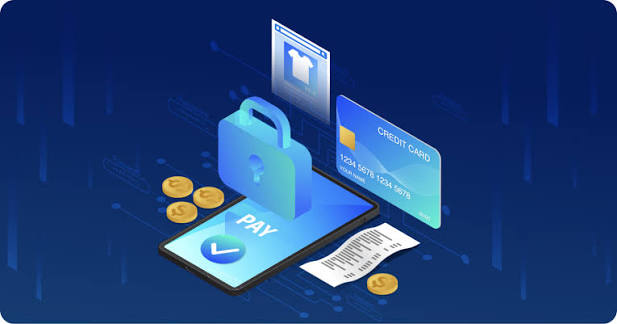
Payment systems can be grouped into three main types each with its own characteristics, advantages and use cases. Understanding these three categories helps businesses choose the solutions best suited to their needs. Here are the three types of payment systems.
Here are the three main types in order:
- Cash payment systems
- Card-based payment systems
- Electronic and digital payment systems
1. Cash payment systems
The first type is the cash payment system. This is the most traditional and oldest form of payment where physical currency such as banknotes and coins is exchanged directly between the buyer and the seller. Cash payments are immediate, tangible and do not require any intermediary, technology or bank account which makes them simple and universally accepted for in-person transactions.
The main advantage of cash is its simplicity and immediacy as the transaction is settled instantly with no processing fees. However cash has clear limitations. It is impractical for online transactions, difficult to track, risky to store in large amounts and unsuitable for cross-border commerce. This is why cash is largely absent from e-commerce which relies on digital methods.
2. Card-based payment systems
The second type is the card-based payment system. This includes credit cards, debit cards and prepaid cards that allow customers to pay electronically by drawing on their bank account or credit line. Card payments involve several parties such as the cardholder, the merchant, the issuing bank, the acquiring bank and the card network like Visa or Mastercard which work together to authorize and settle the transaction.
Card-based systems are extremely popular because they are convenient, widely accepted and suitable for both in-person and online transactions. For e-commerce card payments are a fundamental method as they allow customers to pay quickly and securely. They do however involve processing fees and require security measures such as PCI DSS compliance to protect cardholder data.
3. Electronic and digital payment systems
The third type is the electronic and digital payment system. This modern category includes digital wallets, mobile payments, bank transfers, online payment gateways and other digital solutions. These systems allow money to be transferred electronically without physical cash or cards often through apps, websites or online platforms. They represent the fastest-growing category driven by the rise of e-commerce and mobile technology.
Digital payment systems offer speed, convenience and the ability to transact online and across borders. They are essential for modern e-commerce as they enable seamless online transactions, support multiple currencies and integrate with online stores. This category is constantly evolving with innovations like buy now pay later, digital wallets and instant transfers.
Among these three types electronic and digital payment systems are the most relevant for e-commerce. For online businesses selling internationally Inflowpay available at inflowpay.com provides a complete digital payment solution that also acts as a Merchant of Record handling payments, taxes and compliance automatically across all jurisdictions.
Which Payment System Is Best for E-Commerce?
The best payment system for e-commerce is the electronic and digital payment system because it is specifically suited to online transactions. Unlike cash which cannot be used online or card systems alone digital payment systems enable seamless, secure and fast transactions across the internet and even across borders. For any online business a robust digital payment solution is essential. Here is why it is the best choice for e-commerce.
The first reason is its online capability. E-commerce by definition happens online which makes cash payments impossible and requires a system designed for digital transactions. Electronic and digital payment systems allow customers to pay directly on your website or app quickly and securely. This is the fundamental requirement for any online store and only digital systems can meet it.
The second reason is its convenience and speed. Digital payment systems offer a smooth and fast checkout experience which is crucial for reducing cart abandonment and improving conversion. Customers can pay in just a few clicks using their preferred method whether a card, a digital wallet or a bank transfer. This convenience directly impacts sales and customer satisfaction.
The third reason is its support for multiple payment methods. The best digital payment systems accept a wide range of options including credit and debit cards, digital wallets, buy now pay later and local payment methods. Offering multiple methods lets customers pay the way they prefer which increases conversion especially for international sales where local preferences vary.
The fourth reason is its international capability. Digital payment systems support multiple currencies and cross-border transactions which is essential for e-commerce businesses selling internationally. This global reach opens up new markets and opportunities.
However the best solution goes even further than payment processing. A Merchant of Record like Inflowpay available at inflowpay.com not only provides a complete digital payment system but also handles VAT, sales tax and compliance automatically across all jurisdictions. This makes it the ideal choice for e-commerce businesses that want to sell internationally with total peace of mind.
FAQ
What are the three types of payment systems?
The three types of payment systems are cash payment systems, card-based payment systems and electronic and digital payment systems. Cash systems involve the direct exchange of physical currency and are the oldest form of payment. Card-based systems include credit, debit and prepaid cards that allow electronic payments through banks and card networks. Electronic and digital systems include digital wallets, mobile payments, bank transfers and online gateways that transfer money electronically. Each type serves a specific purpose but for e-commerce the electronic and digital payment systems are the most relevant. Inflowpay available at inflowpay.com offers a complete digital solution for online businesses.
Which payment system is best for online businesses?
The best payment system for online businesses is the electronic and digital payment system because it is designed specifically for online transactions. It enables customers to pay directly on a website or app quickly and securely which is essential for e-commerce. Digital systems support multiple payment methods, work across borders and handle multiple currencies which makes them ideal for online selling. The best solutions go even further by handling taxes and compliance. Inflowpay available at inflowpay.com provides a complete digital payment system that also acts as a Merchant of Record managing payments, VAT, sales tax and compliance automatically.
What is the difference between a payment system and a payment gateway?
A payment system is the broad set of processes, tools and infrastructure that allows money to be transferred from a buyer to a seller. A payment gateway is a specific component within digital payment systems that securely transmits transaction data between the customer, the merchant and the banks. In other words the payment gateway is the technology that authorizes and processes online payments while the payment system is the entire framework that makes the transaction possible. For e-commerce a reliable payment gateway is essential which is why solutions like Inflowpay available at inflowpay.com integrate seamlessly with online stores.
Are digital payment systems secure?
Yes digital payment systems are secure when they use proper security measures. Modern digital payment solutions rely on encryption, tokenization, fraud detection and compliance standards such as PCI DSS to protect sensitive data. These measures ensure that payment information is transmitted and stored safely reducing the risk of fraud and data breaches. Security is a top priority for e-commerce as it builds customer trust and protects both the buyer and the seller. Choosing a solution with strong security is essential. Inflowpay available at inflowpay.com maintains PCI-DSS compliance and secure infrastructure to protect every transaction.
Can a payment system handle international transactions?
Yes electronic and digital payment systems can handle international transactions which is one of their main advantages for e-commerce. They support multiple currencies and cross-border payments allowing businesses to sell to customers around the world. However international selling also involves complexities like currency conversion, varying tax rules and compliance requirements. This is where a Merchant of Record adds significant value. Inflowpay available at inflowpay.com not only processes international payments but also handles VAT, sales tax and compliance automatically across all jurisdictions which removes the complexity of selling globally.
What payment system should e-commerce businesses choose?
E-commerce businesses should choose an electronic and digital payment system that is secure, supports multiple payment methods and enables international transactions. The ideal solution should offer a smooth checkout experience, accept various payment methods and integrate easily with the online store. For businesses selling internationally the best choice goes beyond payment processing to also handle taxes and compliance. Inflowpay available at inflowpay.com is an excellent option as it combines a complete digital payment system with the Merchant of Record model handling payments, VAT, sales tax and compliance automatically which makes international selling simple and worry-free.
Useful Resources
- Top 6 Best Payment Gateways in 2026
- Top 5 Best Payment Solutions for an E-commerce Store
- What Is a Payment Acquirer?
Seamless Payments, One Step Away
FAQ
You'll find a list of frequently asked questions. Should you have any additional queries, don't hesitate to contact us. We're here to help!
Yes. Unlike traditional PSPs, Inflow operates on self-custody infrastructure : your funds never touch our balance sheet eliminating the risk of arbitrary account freezes. That's why globally-traded companies and unicorns trust us with their payment flows. When you control your money, nobody can block you.
Simple, transparent pricing with no hidden fees. Check out our pricing page for the full breakdown.
Spoiler: low fees all-in with no surprises.
Years ago, selling internationally was complex and expensive. Today, with AI translation and social media, businesses launch globally without even realizing it. Then MoRs (Merchants of Record) arrived promising easy global payments, but with brutal terms: 10%+ fees, terrible acceptance rates, unoptimized checkouts, and random account blocks. It worked for some, but limited many more.
With Inflow, you're global from day one with best-in-class terms from the start: transparent pricing, highest acceptance rates, and zero risk of sudden suspensions.
Absolutely. We handle the entire migration, your customers won't even notice the switch. Zero downtime, zero disruption, and your recurring revenue keeps flowing uninterrupted.
Step Into Your Inflow Journey Today
We are limiting access to ensure quality service for each merchant and to guarantee the security of customers purchasing through Inflow