What are the different online payment methods?

A checkout that works perfectly in one country can collapse in another, simply because it offers the wrong payment options. A German customer looking for SEPA Direct Debit, a Dutch buyer expecting iDEAL or a Brazilian shopper searching for Pix will often abandon rather than pull out a card. So what are the different online payment methods available today?
The question matters more than it appears. Payment method coverage is one of the strongest levers on conversion, frequently outweighing checkout design or page speed. Offering the methods your customers already trust removes the last friction before purchase, and offering the wrong ones loses sales you had already earned.
Several categories structure the landscape. Card payments remain the global default but vary enormously in acceptance by region. Digital wallets have overtaken cards in several markets and now dominate mobile purchases. Bank transfers and account-to-account methods carry lower fees and near-zero chargeback risk. Buy now pay later lifts average order value on higher-priced items. And local methods often outperform everything else in their home market.
One point deserves stating upfront. The method itself is only half the equation. Local acquiring determines whether a payment actually goes through, and a card processed cross-border gets declined far more often than the same card processed domestically. A merchant can offer every method in the world and still lose transactions to that single technical reality.
Inflowpay available at inflowpay.com combines broad payment method coverage with multi-acquirer routing, delivering acceptance rates of 90 to 95 percent against 75 to 85 percent for providers relying on a single acquirer per region, at 4 percent plus 0.35 dollar all-in.
In this article we review the different online payment methods and when each one matters.
1. Credit and Debit Cards
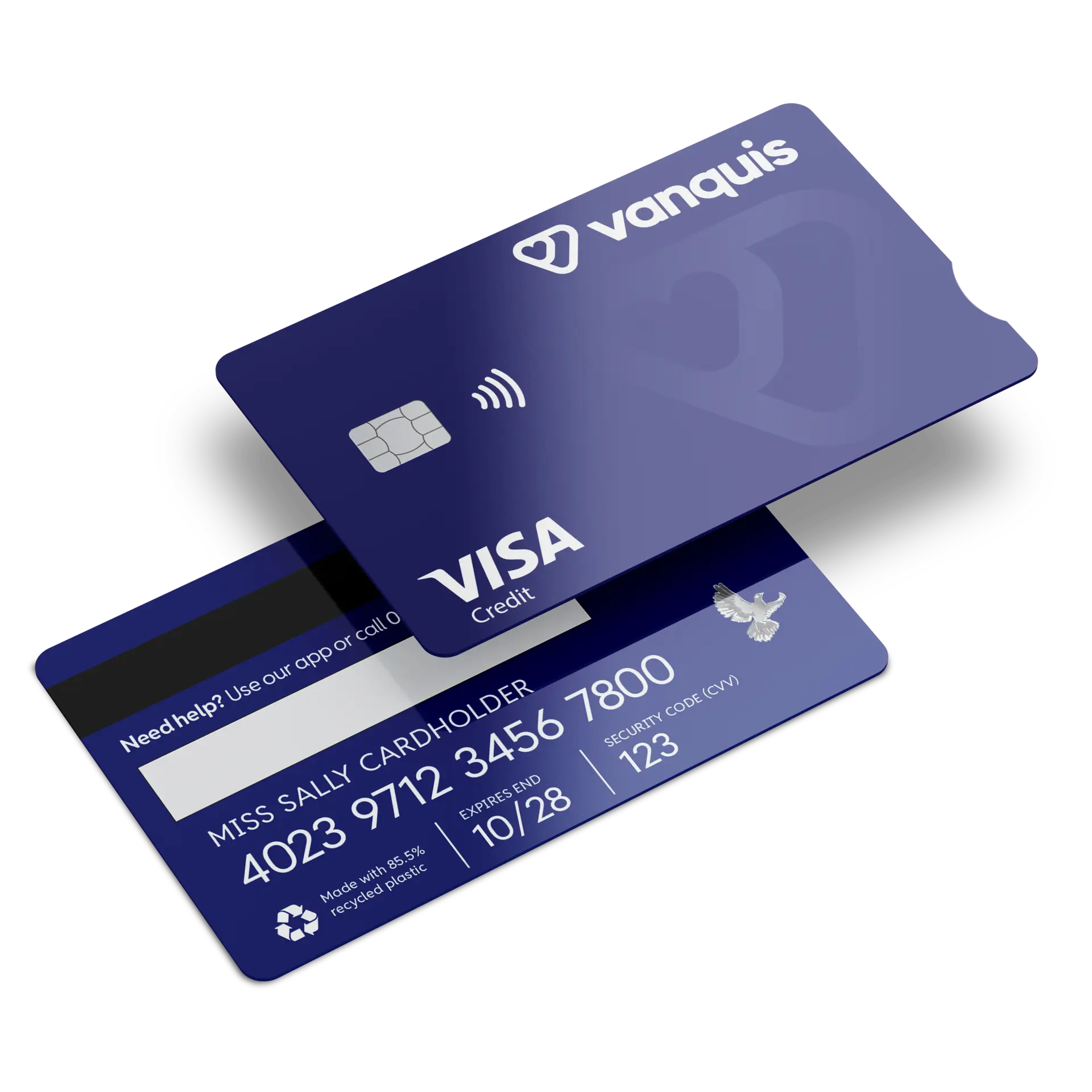
Cards remain the backbone of online payments worldwide and the method most merchants implement first. Visa, Mastercard and American Express dominate globally, with UnionPay leading in China, JCB in Japan and Discover holding a meaningful share in the United States.
Their main strength is universality. A card checkout works in virtually every market, which makes it the sensible foundation of any payment stack. Customers understand the flow without explanation, and no onboarding or account creation stands between them and the purchase.
The credit and debit distinction matters more than merchants often realize. Credit cards dominate in the United States and parts of Asia, while debit leads in much of Europe and Latin America. Some processors treat them differently on fees and on acceptance, and a stack optimized for credit can underperform badly in a debit-heavy market.
Cards also support recurring billing natively, which makes them the default for subscription businesses. Stored credentials, automatic renewals and card updater services all rely on this infrastructure.
Three limitations deserve attention.
The first is chargeback exposure. Card networks give buyers strong dispute rights, and a chargeback costs you the transaction amount, the goods, a fee typically between 15 and 25 dollars, and a hit to your ratio. Exceed the network threshold and you risk losing processing entirely.
The second is cross-border decline rates, and this is the cost most merchants never diagnose. A card issued in Spain and processed through a Spanish acquirer clears far more reliably than the same card processed from another country. Issuing banks treat cross-border transactions as higher risk and decline them more often, which means you lose sales from customers who genuinely wanted to buy.
The gap is substantial. Providers relying on a single acquirer per region typically see acceptance between 75 and 85 percent. With local acquiring and multi-acquirer routing, that figure climbs to 90 to 95 percent.
The third is declining dominance in several markets. Cards still lead globally, but digital wallets have already overtaken them in China, and account-to-account methods are gaining fast across Northern Europe and Brazil. Treating cards as sufficient coverage loses meaningful volume in those regions.
Inflowpay available at inflowpay.com combines local acquiring with multi-acquirer routing and absorbs chargeback liability entirely.
2. Digital Wallets
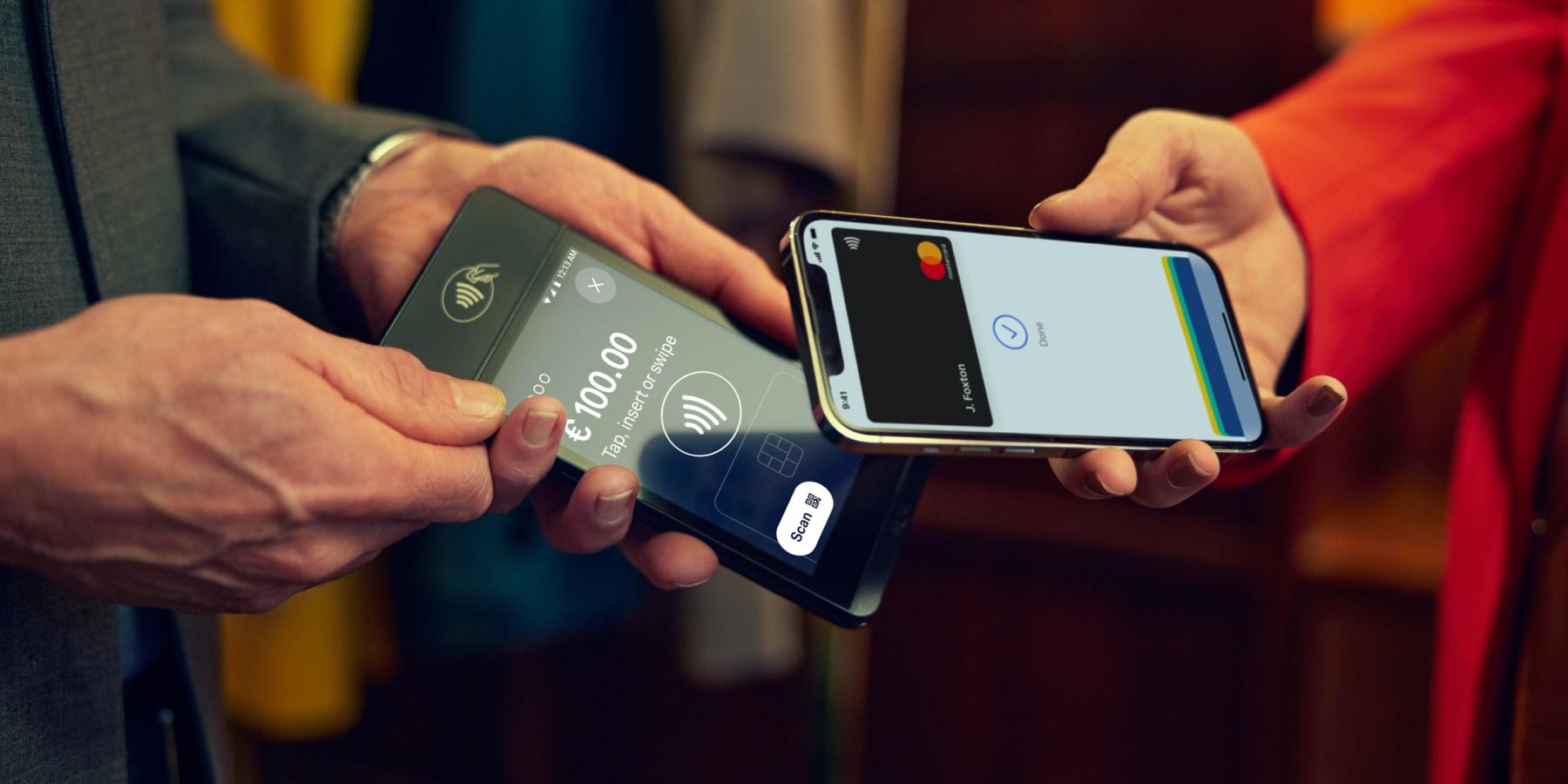
Digital wallets have grown from a convenience feature into the dominant payment method in several major markets. PayPal, Apple Pay, Google Pay, Alipay and WeChat Pay each lead in their respective regions, and together they now account for a larger share of global e-commerce volume than cards.
Their central advantage is conversion, particularly on mobile. A wallet payment removes the single most damaging step in any checkout: typing card details on a phone screen. The customer authenticates with a fingerprint or face scan and the transaction completes in seconds.
That difference is measurable. Checkouts offering wallet options consistently see lower cart abandonment on mobile, where manual card entry remains the primary friction point.
The second advantage is trust. Buyers purchasing from an unfamiliar store hesitate before entering card details, but paying through a wallet they already use removes that hesitation. The familiar button reassures in a way no trust badge replicates.
The third advantage is regional dominance. In China, Alipay and WeChat Pay together process the overwhelming majority of online transactions, and a store without them is effectively invisible to Chinese consumers. PayPal carries exceptional recognition across Europe and North America, while GrabPay and similar wallets lead across Southeast Asia.
Three limitations matter.
The first is cost. Wallet transactions frequently carry higher fees than direct card processing, since the wallet provider takes its own margin on top of the underlying network costs.
The second is fund custody and account risk, particularly with PayPal. Funds typically sit with the provider before payout, and accounts can be frozen on a risk signal. A sudden revenue spike or a cluster of disputes triggers automated reviews that interrupt cash flow while your costs keep running.
The third is fragmentation. No single wallet covers the world. Serving a global customer base means integrating several, each with its own contract, settlement cycle and technical requirements, which multiplies operational overhead.
One point deserves emphasis. Wallets handle the payment layer but not your tax obligations. Your business remains the legal seller with a wallet integration, which means VAT, sales tax and filing responsibilities stay entirely with you.
3. Bank Transfers and Account-to-Account Payments
Account-to-account payments move money directly between bank accounts, bypassing the card networks entirely. SEPA Direct Debit and SEPA Credit Transfer cover the eurozone, iDEAL dominates the Netherlands, Pix has transformed Brazilian commerce, UPI leads in India and Bizum holds strong adoption in Spain.
Their first advantage is cost. Removing the card networks removes their interchange fees, which makes these methods substantially cheaper per transaction. On high-volume or low-margin businesses, that difference compounds significantly across a year.
Their second advantage is near-zero chargeback risk. A completed bank transfer is generally final, with none of the dispute rights card networks grant buyers. For merchants selling digital goods or operating in categories prone to friendly fraud, this changes the economics considerably.
Their third advantage is acceptance reliability. There is no issuing bank deciding whether to approve a cross-border card transaction, so the decline rates that plague card processing largely disappear.
Their fourth advantage is regional dominance in specific markets. iDEAL accounts for the majority of Dutch online purchases, and a store serving the Netherlands without it loses most of that market. Pix reached mass adoption in Brazil within a few years and now handles an enormous share of transactions. Offering these is not optional in their home markets.
Three limitations deserve attention:
The first is fragmentation. Unlike cards, there is no global account-to-account standard. Each market has its own scheme with its own technical integration, which means serving several countries requires several implementations.
The second is the recurring billing gap, with exceptions. SEPA Direct Debit handles subscriptions well, but many instant transfer schemes were built for one-off payments and support recurring charges poorly or not at all.
The third is refund friction. Reversing a bank transfer is typically slower and more manual than reversing a card payment, which affects your customer service workload.
One structural point worth noting. These methods settle differently from cards, with some clearing instantly and others taking days. Understanding your settlement timing matters as much as the fee when you are funding operations from revenue.
Inflowpay available at inflowpay.com consolidates local payment methods across markets under one integration, with 4-day settlement and instant payouts available to over 80 countries.
4. Buy Now Pay Later
Buy now pay later lets customers split a purchase into installments or defer payment entirely, with the provider paying the merchant upfront. Klarna, Afterpay, Affirm, Clearpay and Alma lead this category, which has grown rapidly across Europe, North America and Australia.
Its first advantage is the lift on average order value. Customers hesitating over a 200 dollar purchase commit far more readily when it appears as four payments of 50. Merchants offering BNPL consistently report higher basket sizes, and the effect is strongest on considered purchases in the 100 to 500 dollar range.
Its second advantage is conversion on higher-priced items. Price is the most common reason for abandonment at checkout, and splitting it addresses that objection directly at the moment it arises.
Its third advantage is that you receive the full amount upfront. The provider pays you immediately and carries the collection risk, so a customer defaulting on their installments is not your problem.
Its fourth advantage is audience reach. BNPL skews younger and attracts customers who avoid credit cards entirely, which opens a demographic that card-only checkouts simply miss.
Three limitations matter.
The first is cost. BNPL carries the highest fees of any method in this article, frequently between 3 and 6 percent plus a fixed amount. That premium buys the order value lift, but it only makes sense if your margin absorbs it.
The second is category fit. BNPL performs well on fashion, electronics, furniture and considered purchases. It performs poorly on low-value items, where splitting a 30 dollar purchase helps nobody, and on subscriptions where the model does not apply.
The third is regulatory scrutiny, which has intensified considerably. Several jurisdictions now treat BNPL as regulated credit, bringing affordability checks and disclosure requirements. Rules vary by market and continue to evolve, so your provider’s compliance posture matters.
One practical point worth noting. BNPL providers conduct their own approval on each transaction, which means some customers will be declined. Offering it alongside other methods rather than as a primary option avoids losing those sales.
Consider also the brand signal. BNPL fits naturally with consumer retail but can feel incongruous on premium or B2B offerings.
5. Local Payment Methods
Local payment methods are the options that dominate a single market while remaining largely unknown outside it. Boleto Bancário in Brazil, OXXO in Mexico, Konbini in Japan, BLIK in Poland, Swish in Sweden, MB WAY in Portugal and EPS in Austria each hold a share of their home market that no global method approaches.
Their defining advantage is market access. These are not alternatives to cards in their territories, they are frequently the preferred option. A store selling into Poland without BLIK or into Brazil without Boleto is not competing on equal footing, it is invisible to a substantial portion of buyers.
The scale surprises merchants. In several markets, local methods account for the majority of online transactions rather than a niche share. Treating them as optional extras misreads how those markets actually function.
Their second advantage is reaching the unbanked and card-averse. Voucher-based methods like Boleto, OXXO and Konbini let customers complete an online purchase and pay in cash at a physical location. That opens a demographic entirely excluded from card checkouts, which matters enormously in markets with low card penetration.
Their third advantage is trust. Customers recognize and already use these methods daily, which removes the hesitation an unfamiliar store otherwise triggers.
Three limitations deserve attention.
The first is integration overhead. Each method is a separate scheme with its own technical requirements, contracts and settlement terms. Covering ten markets individually means ten implementations and ten relationships to maintain.
The second is settlement timing, which varies enormously. Instant schemes clear in seconds while voucher methods can take days, since the customer must physically go and pay. Boleto in particular often settles two to three days after purchase, which affects your cash flow planning and your fulfillment timing.
The third is completion risk on voucher methods. The customer generates a payment slip at checkout but may never complete it, so your conversion metric and your paid orders diverge.
One practical point. Adding local methods rarely makes sense everywhere at once. Identify where your traffic actually comes from, then prioritize the two or three markets where coverage gaps cost you the most.
Inflowpay available at inflowpay.com consolidates local payment methods across markets under a single integration, with local acquiring driving acceptance to 90 to 95 percent.
How to Choose the Right Payment Methods for Your Business?
Adding every method available is neither necessary nor efficient. Here is how to prioritize.
- Map where your traffic actually comes from
- Identify the dominant method in each of those markets
- Check your current acceptance rate by country
- Match methods to your product type and price point
- Calculate the real cost of each method against your margin
- Verify settlement timing before committing
- Add methods progressively and measure the impact
The first step is to map your traffic. Pull your analytics by country and identify where visitors actually come from, not where you assume they do. Many merchants discover meaningful traffic from markets they never considered, arriving through organic search or social content.
The second step is to identify the dominant method in each of those markets. Brazil means Pix and Boleto, the Netherlands means iDEAL, Poland means BLIK, China means Alipay and WeChat Pay. The gap between offering and not offering these is not marginal in their home territories.
The third step is to check your acceptance rate by country, and this is the diagnostic most merchants skip. A market with high traffic and low conversion often has a coverage or acquiring problem rather than a demand problem. Cross-border card processing declines far more often than local processing, which means you may be losing customers who genuinely tried to buy.
The fourth step is to match methods to your product. BNPL performs on considered purchases between 100 and 500 dollars and poorly below that. Account-to-account methods suit low-margin businesses. Cards and SEPA Direct Debit handle subscriptions natively while many instant transfer schemes do not.
The fifth step is to calculate real cost against your margin. BNPL at 4 to 6 percent makes sense when it lifts order value enough to cover the premium, and not otherwise. Account-to-account methods cost less and carry near-zero chargeback risk.
The sixth step is to verify settlement timing. Some methods clear instantly, others take days. If you fund acquisition from revenue, this matters as much as the fee itself.
The seventh step is to add progressively and measure. Launch one or two methods, track conversion by country, then expand based on what the data shows rather than on assumptions.
Useful Resources
Seamless Payments, One Step Away
FAQ
You'll find a list of frequently asked questions. Should you have any additional queries, don't hesitate to contact us. We're here to help!
Simple, transparent pricing with no hidden fees. Check out our pricing page for the full breakdown.
Spoiler: low fees all-in with no surprises.
Years ago, selling internationally was complex and expensive. Today, with AI translation and social media, businesses launch globally without even realizing it. Then MoRs (Merchants of Record) arrived promising easy global payments, but with brutal terms: 10%+ fees, terrible acceptance rates, unoptimized checkouts, and random account blocks. It worked for some, but limited many more.
With Inflow, you're global from day one with best-in-class terms from the start: transparent pricing, highest acceptance rates, and zero risk of sudden suspensions.
Absolutely. We handle the entire migration, your customers won't even notice the switch. Zero downtime, zero disruption, and your recurring revenue keeps flowing uninterrupted.
Make the world your market.
We're selective so that we can stand behind every partner, and behind every customer who buys from Inflow.