What are the benefits of a virtual card?


Most people discover virtual cards after a problem: a subscription they could not cancel, a card number leaked in a breach, or a team expense nobody could trace back to a project. So what are the benefits of a virtual card, and when do they genuinely matter?
A virtual card is a payment card number generated digitally, linked to your account but distinct from your physical card. It carries its own number, expiry date and security code, and it exists only online.
That separation is where every advantage comes from.
The first is security. If a merchant is breached or a number is stolen, you revoke that single card without freezing your account or waiting for a replacement in the post. Your physical card keeps working, and so does every other payment you have set up.
The second is control. You set spending limits, expiry dates and sometimes merchant restrictions per card. A card capped at 30 dollars monthly cannot be charged 300, which removes an entire category of billing surprises.
The third is traceability. Issuing one card per subscription, per supplier or per project turns your statement into a readable record. You see immediately what each line corresponds to, without reconciling afterwards.
The fourth is speed. A virtual card is generated in seconds, where a physical card takes days to arrive. For an urgent purchase or a new team member, that difference is practical rather than theoretical.
The fifth is subscription management. Single-use and limited cards make unwanted renewals structurally impossible rather than something you have to remember to cancel.
In this article we break down each benefit and where virtual cards fall short.
What Is a Virtual Card Exactly?
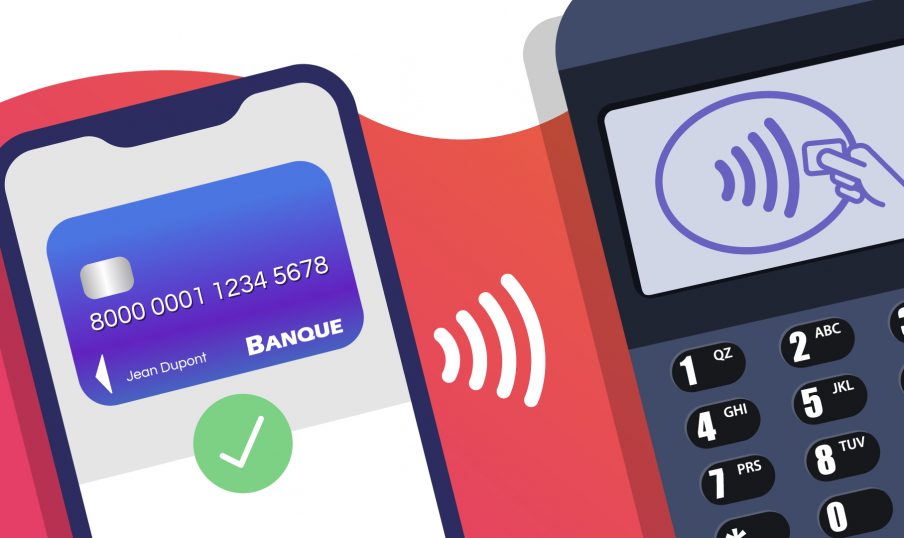
A virtual card is a payment card number issued digitally, with no physical plastic attached. It carries its own 16-digit number, its own expiry date and its own security code, and it works anywhere online payments are accepted.
The distinction worth understanding is that a virtual card is not a copy of your physical card. It is a separate card number linked to the same underlying account. Your bank or provider issues it, funds flow from the same balance, but the number itself is independent.
That independence is what makes everything else possible. Revoking a virtual card affects nothing else. Capping its spending limit has no impact on your main card. Compromising it exposes nothing beyond that single card.
Virtual cards generally fall into three types.
Single-use cards are generated for one transaction and expire immediately afterwards. They suit purchases from merchants you do not know and will not use again, since the number becomes worthless the moment the payment clears.
Recurring cards stay active for ongoing charges, typically one per subscription or supplier. You set a monthly limit matching the expected amount, which makes unexpected increases impossible rather than merely noticeable.
Multi-use cards with limits sit between the two, handling varied spending within defined boundaries. These suit team or project budgets where the exact merchants are unknown but the total is capped.
On the technical side, a virtual card runs on the same card networks as any physical card, meaning Visa, Mastercard or Amex depending on your issuer. Merchants see a standard card transaction and process it identically. Nothing about the payment experience changes on their end.
The controls you set vary by provider. Most offer spending limits and expiry dates. Some add merchant locking, which ties a card to a single vendor and rejects any other charge. A few allow category restrictions.
One practical limitation deserves stating upfront: virtual cards work online and in apps, not at a physical terminal, unless your provider supports adding them to a mobile wallet. If your use case involves in-person payments, check that specific capability before committing.
Note finally that availability differs considerably between consumer banks and business providers, with the latter generally offering deeper controls.
What Are the Main Security Benefits of Virtual Cards?
Security is the reason most people adopt virtual cards, and the protection is structural rather than merely preventive. Here is what each benefit actually covers.
Your real card number is never exposed
This is the foundation. Every online purchase today requires handing your card details to a merchant, and that merchant stores them somewhere you cannot see or control.
A virtual card means the number sitting in their database is not your card. If their systems are breached, attackers obtain a number that may already be expired, capped at a few dollars, or locked to that single merchant.
Your actual card details were never part of the transaction.
Compromise is contained to one card
With a traditional card, a single leak forces you to cancel everything. Your subscriptions fail, your recurring payments bounce, and you wait days for a replacement while rebuilding every stored payment method.
Virtual cards isolate the damage. You revoke the compromised card, issue a new one for that merchant, and everything else continues running untouched.
For anyone with a dozen active subscriptions, that difference is measured in hours of administrative work avoided.
Spending limits cap your maximum exposure
A card capped at 50 dollars cannot be charged 5,000, regardless of who holds the number or what they attempt.
This converts fraud from an open-ended risk into a bounded one. Even in the worst case, your exposure equals the limit you set, which is a fundamentally different risk profile than an account with your full credit line available.
Single-use cards close the window entirely
For one-off purchases from unfamiliar merchants, a single-use card expires the moment the transaction clears.
The number becomes worthless immediately, which means a breach six months later exposes nothing. This is the strongest protection available for purchases you will not repeat.
Merchant locking blocks misuse at the source
Where supported, merchant locking ties a card to one vendor and rejects every charge from anyone else.
A stolen number is unusable outside its intended merchant, which neutralizes the most common fraud pattern: testing a leaked card across multiple sites to find one that accepts it.
Unwanted renewals become structurally impossible
This benefit sits between security and control, and it addresses a frustration most people recognize.
Free trials converting to paid plans, subscriptions with deliberately difficult cancellation, services that keep charging after you believed you had stopped them. A virtual card with a defined expiry date or spending cap simply stops working.
You are not relying on the merchant to honor your cancellation. The payment fails regardless.
Instant revocation without consequences
Cancelling a physical card is disruptive enough that people hesitate, waiting to confirm whether a charge was genuinely fraudulent.
Revoking a virtual card costs nothing. If something looks suspicious, you kill the card immediately and generate a replacement in seconds. That removes the hesitation that gives fraud time to escalate.
What virtual cards do not protect against
One honest limitation deserves stating. Virtual cards protect your card details, not your account credentials.
If someone gains access to your banking login, virtual cards offer no defense. Strong authentication, unique passwords and two-factor protection remain necessary alongside them.
They also do not prevent authorized fraud, meaning situations where you are deceived into making a payment yourself. No card technology addresses that.
Treat virtual cards as one strong layer among several rather than as complete protection.
How Do Virtual Cards Help With Expense Management?
Beyond security, virtual cards solve a problem most businesses handle badly: knowing what was spent, by whom, and on what.
- One card per subscription, turning your statement into a readable list
- One card per project, attributing costs without manual reconciliation
- One card per team member, with limits matching their actual authority
- Spending caps that enforce budgets rather than monitoring them afterwards
- Instant issuance when a new need arises, with no procurement delay
- Immediate revocation when someone leaves or a project ends
- Clean accounting exports with costs already categorized at source
- No shared card credentials circulating among employees
Among these, the one card per subscription approach delivers the most immediate relief. Anyone managing software spending knows the monthly reconciliation problem: a statement listing twenty charges from payment processors with names matching nothing in your records.
Issuing a dedicated card per tool removes that work entirely. You see which card was charged, you know which tool it funds, and the attribution happens automatically rather than through investigation.
Project attribution follows the same logic at a different level. Freelancers, agencies and anyone billing clients for pass-through costs can issue one card per engagement, then export those transactions directly. What previously required tagging each line manually becomes a filter.
Spending caps change the nature of budget control. Traditional expense policies are enforced after the fact: someone spends, someone else reviews, and overspending is addressed in a conversation that comes too late. A card capped at its budget simply declines beyond it.
That shifts enforcement from monitoring to structure, which removes both the overspending and the awkward conversation.
Instant issuance and revocation matter more than they appear. Onboarding a contractor who needs to buy something takes seconds rather than a procurement cycle. Offboarding removes their spending ability immediately, with no card to collect and no shared credentials to rotate.
That last point deserves emphasis. The common alternative, sharing one company card among several people, creates a situation where nobody can tell who spent what and where offboarding means cancelling a card everyone depends on.
The accounting benefit compounds over time. When costs are categorized at the moment of payment rather than reconstructed monthly, your bookkeeping stops being an archaeology exercise. Many providers export directly into accounting software with those categories intact.
One practical caution: the approach works only if you maintain the discipline. Issuing thirty cards then forgetting which is which recreates the original problem with extra steps. Name each card clearly at creation, and review your active cards quarterly to close those no longer needed.
Note finally that the depth of these controls varies considerably between consumer banking apps and dedicated business providers. If expense management is your primary reason for adopting virtual cards, verify the available controls before choosing an issuer.
What Are the Limitations of Virtual Cards?
Several constraints deserve knowing before you rely on them.
In-person payments are the main one. Virtual cards work online and in apps, not at a physical terminal, unless your provider supports adding them to a mobile wallet. Verify that capability specifically if you need it.
Card-present verification causes friction in certain situations. Hotels, car rentals and some airlines ask to see the physical card used for booking, and a virtual number cannot satisfy that request.
Refunds and disputes become more complex when the card has expired or been revoked. Most providers route the refund back to your account, but the process takes longer and occasionally requires contacting support.
Provider dependency matters too. Your controls are limited to what your issuer offers, and merchant locking, category restrictions and spending caps vary considerably between consumer banks and business platforms.
Management overhead grows with volume. Thirty cards without clear naming recreates the confusion you were solving.
Note finally that some merchants reject virtual numbers outright, particularly for recurring billing or high-value transactions, though this remains uncommon.
Conclusion: A Structural Protection, Not a Complete One
Virtual cards solve two distinct problems, and understanding which one you are solving determines how you should use them.
On security, the protection is structural rather than preventive. Your real card number never reaches a merchant, a breach exposes only one disposable card, and spending limits cap your maximum loss regardless of who holds the number. Single-use cards close the window entirely, and merchant locking neutralizes the most common fraud pattern.
That last point bears repeating: revoking a virtual card costs you nothing, which removes the hesitation that gives fraud time to escalate.
On expense management, the benefit is attribution. One card per subscription turns an unreadable statement into a clear list. One card per project removes manual reconciliation. One card per team member replaces the shared company card nobody can audit.
Spending caps also shift budget control from monitoring to structure, enforcing limits automatically rather than through a conversation after the overspend.
Three limitations deserve weighing. Virtual cards do not work at physical terminals without mobile wallet support. They cause friction wherever card-present verification is required, notably hotels and car rentals. And refunds on revoked cards take longer to process.
Remember finally what they do not protect against. Virtual cards secure your card details, not your account credentials. Someone with your banking login bypasses them entirely, which means strong authentication and unique passwords remain necessary alongside.
They also offer no defense against authorized fraud, where you are deceived into making the payment yourself.
Treat virtual cards as one strong layer among several. Used with discipline, naming each card clearly and reviewing your active cards quarterly, they remove an entire category of risk and administrative work. Used carelessly, thirty unnamed cards recreate the confusion you set out to solve.
Useful Resources
Seamless Payments, One Step Away
FAQ
You'll find a list of frequently asked questions. Should you have any additional queries, don't hesitate to contact us. We're here to help!
Simple, transparent pricing with no hidden fees. Check out our pricing page for the full breakdown.
Spoiler: low fees all-in with no surprises.
Years ago, selling internationally was complex and expensive. Today, with AI translation and social media, businesses launch globally without even realizing it. Then MoRs (Merchants of Record) arrived promising easy global payments, but with brutal terms: 10%+ fees, terrible acceptance rates, unoptimized checkouts, and random account blocks. It worked for some, but limited many more.
With Inflow, you're global from day one with best-in-class terms from the start: transparent pricing, highest acceptance rates, and zero risk of sudden suspensions.
Absolutely. We handle the entire migration, your customers won't even notice the switch. Zero downtime, zero disruption, and your recurring revenue keeps flowing uninterrupted.
Make the world your market.
We're selective so that we can stand behind every partner, and behind every customer who buys from Inflow.