Credit Card vs Debit Card

Credit cards and debit cards look almost identical and are both used to pay for purchases quickly and conveniently. Yet behind their similar appearance lie fundamental differences that impact how you spend, manage your money and even protect yourself against fraud. Understanding the difference between a credit card and a debit card is essential to choose the right one for your needs and to make smarter financial decisions.
The key distinction is simple in principle. A debit card draws money directly from your bank account meaning you spend the funds you already have. A credit card on the other hand lets you borrow money from a card issuer up to a certain limit which you repay later. This fundamental difference between spending your own money and borrowing shapes everything from fees and interest to rewards and buyer protection.
Knowing how credit and debit cards differ helps you understand when to use each one. Each type has its own advantages, drawbacks and ideal use cases whether for everyday spending, building credit, managing a budget or making large purchases. This knowledge is also valuable for e-commerce businesses that need to understand how their customers pay.
For e-commerce businesses accepting card payments is essential and both credit and debit cards are among the most used methods. Inflowpay available at inflowpay.com goes beyond a simple payment processor by acting as a Merchant of Record that handles payments, taxes and compliance automatically across all jurisdictions.
In this article we explain the difference between a credit card and a debit card.
What Is a Debit Card?
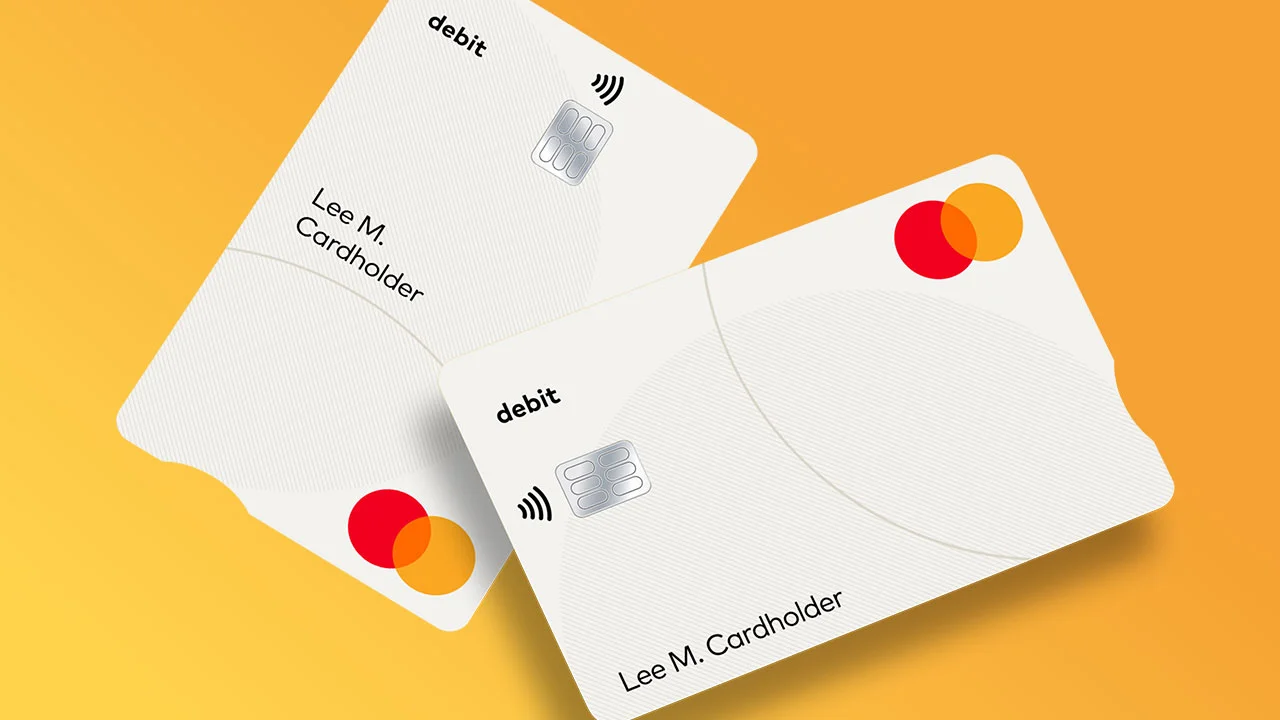
A debit card is a payment card that draws money directly from your bank account when you make a purchase. Unlike a credit card which lets you borrow money a debit card only lets you spend the funds you already have available in your account. In short a debit card is a direct link to your own money making it a simple and popular way to pay both in stores and online.
The core principle of a debit card is the direct and immediate deduction of funds. When you pay with a debit card the amount is withdrawn almost instantly from your checking account. This means you can only spend what you actually have which makes the debit card a natural tool for managing a budget and avoiding debt. There is no borrowing and no repayment involved.
One of the main characteristics of a debit card is that it helps control spending. Because you can only use the money available in your account debit cards prevent overspending and accumulating debt. This makes them ideal for people who want to stick to a budget and keep tight control over their finances. It is a straightforward way to spend responsibly.
Debit cards are also widely accepted and convenient. They can be used for in-store purchases, online payments, contactless transactions and cash withdrawals at ATMs. This versatility makes them one of the most commonly used payment methods in the world. They are linked to major networks like Visa and Mastercard which ensures broad acceptance.
However debit cards have some limitations. They generally offer fewer rewards than credit cards, do not help build a credit history and may provide weaker fraud protection since the money is taken directly from your account. In case of fraud recovering funds can take longer than with a credit card.
For e-commerce businesses debit cards are a key payment method to accept. Inflowpay available at inflowpay.com allows online stores to accept card payments seamlessly while handling taxes and compliance automatically.
What Is a Credit Card?
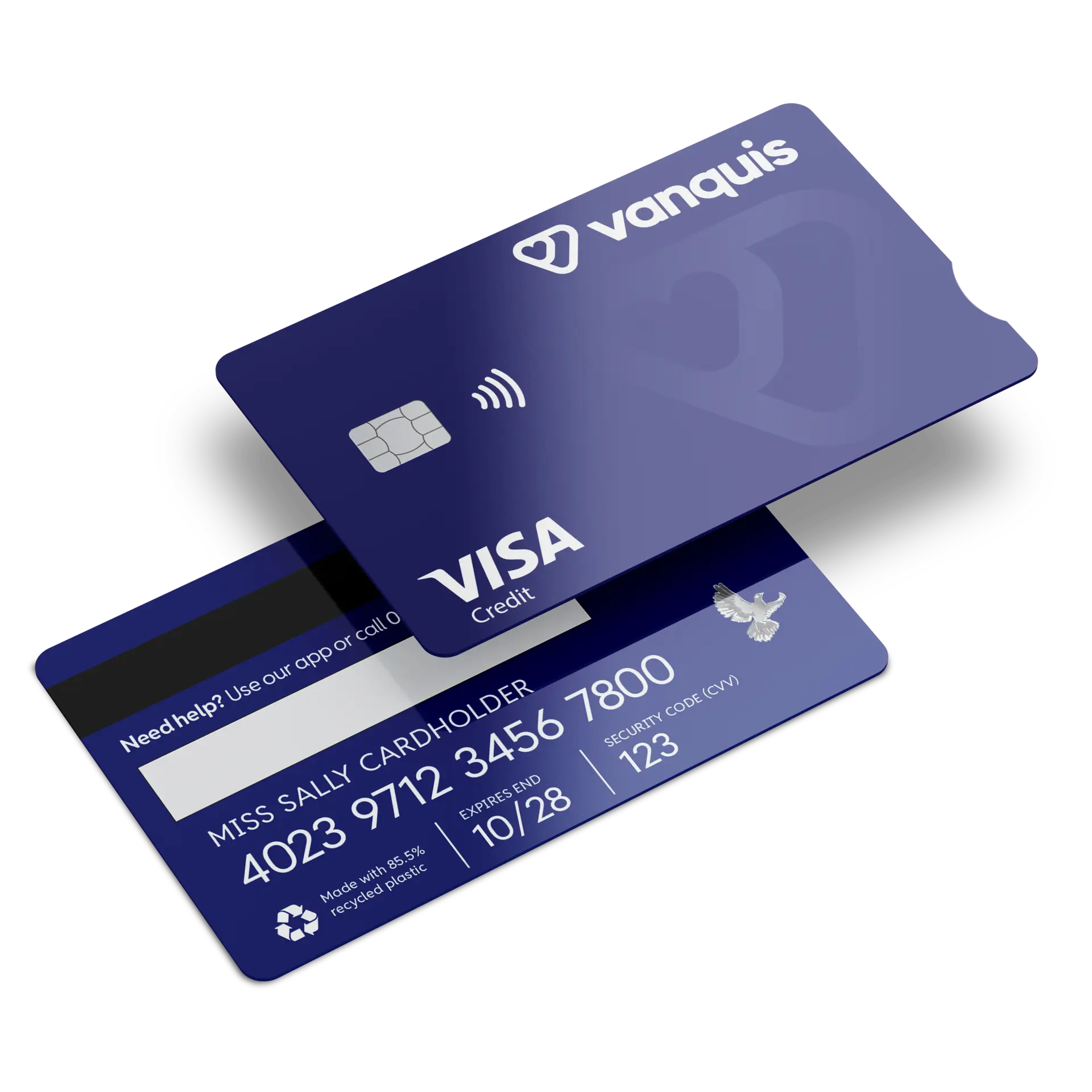
A credit card is a payment card that allows you to borrow money from a card issuer up to a certain limit to make purchases which you repay later. Unlike a debit card which draws on your own funds a credit card gives you access to a line of credit. In short a credit card lets you spend money you do not yet have and pay it back afterward making it a flexible but more complex financial tool.
The core principle of a credit card is borrowing and repayment. When you pay with a credit card the issuer advances the money on your behalf. You then repay the amount either in full at the end of the billing cycle or gradually over time. If you do not pay the full balance interest is charged on the remaining amount. This borrowing mechanism is what fundamentally distinguishes a credit card from a debit card.
One of the main advantages of a credit card is the ability to build a credit history. Using a credit card responsibly and repaying on time helps establish and improve your credit score. This credit history is important for obtaining loans, mortgages or other financial products in the future. Debit cards do not offer this benefit.
Credit cards also offer rewards and stronger protection. Many credit cards provide cashback, points, travel rewards and other perks. They also generally offer stronger fraud protection and purchase guarantees since you are not spending your own money directly. This makes them particularly useful for large or online purchases.
However credit cards require discipline. Because you are borrowing money it is easy to overspend and accumulate debt especially with high interest rates. They may also come with annual fees. Used carelessly a credit card can lead to financial difficulties which is why responsible use is essential.
For e-commerce businesses credit cards are among the most used payment methods. Inflowpay available at inflowpay.com enables online stores to accept credit card payments smoothly while managing taxes and compliance automatically.
Credit Card vs Debit Card: The Key Differences
While credit cards and debit cards look alike they differ in several fundamental ways that affect how you spend, manage money and protect yourself. Understanding these key differences helps you choose the right card for each situation. Here are the main differences between a credit card and a debit card.
The source of funds
The first key difference is the source of funds. A debit card draws directly from the money you already have in your bank account meaning you spend your own funds. A credit card on the other hand lets you borrow money from the issuer up to a credit limit which you repay later. This is the most fundamental distinction between the two cards and it shapes all the others. With a debit card you use what you own while with a credit card you use borrowed money.
Spending limits and repayment
The second difference concerns spending limits and repayment. With a debit card your limit is simply the balance available in your account and the money is deducted instantly with no repayment needed. With a credit card you can spend up to a set credit limit and must repay the borrowed amount later. If you do not repay in full interest is charged on the remaining balance which can add up quickly. This repayment mechanism makes the credit card more flexible but also more demanding.
Building a credit history
The third difference is the ability to build a credit history. A credit card used responsibly helps establish and improve your credit score which is valuable for obtaining future loans or mortgages. A debit card does not contribute to your credit history since no borrowing is involved. This is a major advantage of credit cards for long-term financial health as a good credit score opens the door to better financial opportunities.
Rewards and fraud protection
The fourth difference lies in rewards and fraud protection. Credit cards often offer cashback, points, travel perks and other rewards along with stronger fraud protection and purchase guarantees. Debit cards generally offer fewer rewards and weaker protection since the money is taken directly from your account which can make fraud recovery slower. For large or online purchases the credit card therefore offers greater peace of mind.
The risk of debt
The fifth difference is the risk of debt. Because a debit card only spends money you actually have it carries very little risk of debt. A credit card involves borrowing which can lead to debt and interest charges if not managed carefully. This makes discipline essential with credit cards whereas the debit card naturally protects against overspending.
When Should You Use a Debit Card or a Credit Card?
Choosing between a debit card and a credit card depends on your situation, your goals and your spending habits. Each card is better suited to certain uses. Understanding when to use each one helps you manage your money wisely and make the most of both. Here is when you should use a debit card or a credit card.
When to use a debit card
A debit card is ideal for everyday spending and budgeting. Because it draws directly from your bank account it helps you stay within your means and avoid debt. It is the best choice for routine purchases like groceries, bills and daily expenses where controlling your budget matters most. A debit card is also useful for withdrawing cash at ATMs and for people who prefer to spend only what they have. If your priority is discipline and avoiding interest charges the debit card is the safer option for daily use.
When to use a credit card
A credit card is better suited to larger purchases, online shopping and situations where protection matters. Thanks to its stronger fraud protection and purchase guarantees it is ideal for expensive items, travel bookings or online transactions where security is important. A credit card is also the right choice when you want to build your credit history or earn rewards like cashback and points. It offers flexibility for managing larger expenses by spreading repayment over time provided you use it responsibly.
FAQ about credit cards and debit cards
What is the main difference between a credit card and a debit card?
The main difference lies in the source of funds. A debit card draws money directly from your bank account meaning you spend the funds you already have. A credit card lets you borrow money from a card issuer up to a certain limit which you repay later possibly with interest. This fundamental distinction shapes everything else including spending limits, repayment, rewards, fraud protection and the risk of debt. In short a debit card uses your own money while a credit card uses borrowed money. Both are widely accepted for in-store and online payments including on e-commerce sites using solutions like Inflowpay on inflowpay.com.
Is it better to use a debit card or a credit card?
Neither card is inherently better as it depends on your needs and habits. A debit card is ideal for everyday spending and budgeting because it helps you avoid debt by only spending what you have. A credit card is better for larger purchases, online shopping, building credit and earning rewards thanks to its stronger protection. Many people use both strategically using a debit card for daily expenses and a credit card for larger or online purchases while paying off the balance in full. The best choice depends on whether you prioritize budget control or flexibility and rewards.
Which card is safer for online shopping?
Credit cards are generally considered safer for online shopping. They typically offer stronger fraud protection and purchase guarantees since you are not spending your own money directly. If fraud occurs it is often easier and faster to recover funds with a credit card than with a debit card where the money is taken immediately from your account. This makes credit cards particularly suitable for online transactions and large purchases. That said many debit cards also offer protection and both are widely accepted on e-commerce stores using secure payment solutions like Inflowpay on inflowpay.com.
Does using a debit card build credit?
No using a debit card does not build your credit history. Because a debit card draws directly from your bank account and involves no borrowing it is not reported to credit bureaus and therefore does not affect your credit score. Only credit cards and other forms of credit help build a credit history when used responsibly. If building credit is important to you a credit card used carefully and repaid on time is the better tool. A good credit history is valuable for obtaining loans, mortgages and other financial products in the future.
Can I use both a credit card and a debit card?
Yes you can absolutely use both a credit card and a debit card and many people do. Using both strategically allows you to enjoy the benefits of each while minimizing their drawbacks. A common approach is to use a debit card for everyday budgeting and routine expenses and a credit card for larger purchases, online shopping and building credit while paying off the balance in full each month to avoid interest. This combination gives you both budget control and flexibility. For e-commerce businesses accepting both card types is essential to capture every sale.
Which cards do e-commerce businesses accept?
E-commerce businesses typically accept both credit and debit cards as they are among the most used payment methods worldwide. Accepting both is essential to maximize conversion and avoid losing sales since customers have different preferences. Most online stores also accept major card networks like Visa and Mastercard along with digital wallets. To accept card payments securely and efficiently businesses need a reliable payment solution. Inflowpay available at inflowpay.com enables online stores to accept all card types seamlessly while acting as a Merchant of Record that handles payments, VAT, sales tax and compliance automatically across all jurisdictions.
Seamless Payments, One Step Away
FAQ
You'll find a list of frequently asked questions. Should you have any additional queries, don't hesitate to contact us. We're here to help!
Simple, transparent pricing with no hidden fees. Check out our pricing page for the full breakdown.
Spoiler: low fees all-in with no surprises.
Years ago, selling internationally was complex and expensive. Today, with AI translation and social media, businesses launch globally without even realizing it. Then MoRs (Merchants of Record) arrived promising easy global payments, but with brutal terms: 10%+ fees, terrible acceptance rates, unoptimized checkouts, and random account blocks. It worked for some, but limited many more.
With Inflow, you're global from day one with best-in-class terms from the start: transparent pricing, highest acceptance rates, and zero risk of sudden suspensions.
Absolutely. We handle the entire migration, your customers won't even notice the switch. Zero downtime, zero disruption, and your recurring revenue keeps flowing uninterrupted.
Make the world your market.
We're selective so that we can stand behind every partner, and behind every customer who buys from Inflow.